Could you briefly tell us about your background?
Hi I’m Maja Lewicz, food & product photographer, stylist and recipe developer based in The Netherlands. I specialize in creating vibrant, bold & unique photographs that tell the visual story from magazine covers to cookbooks, from website banners to social media content. In addition to my regular photography services, I am also a passionate photography educator. I teach photography online or face to face in my studio in Utrecht.
What was the creative vision behind the Nori & Rice book?
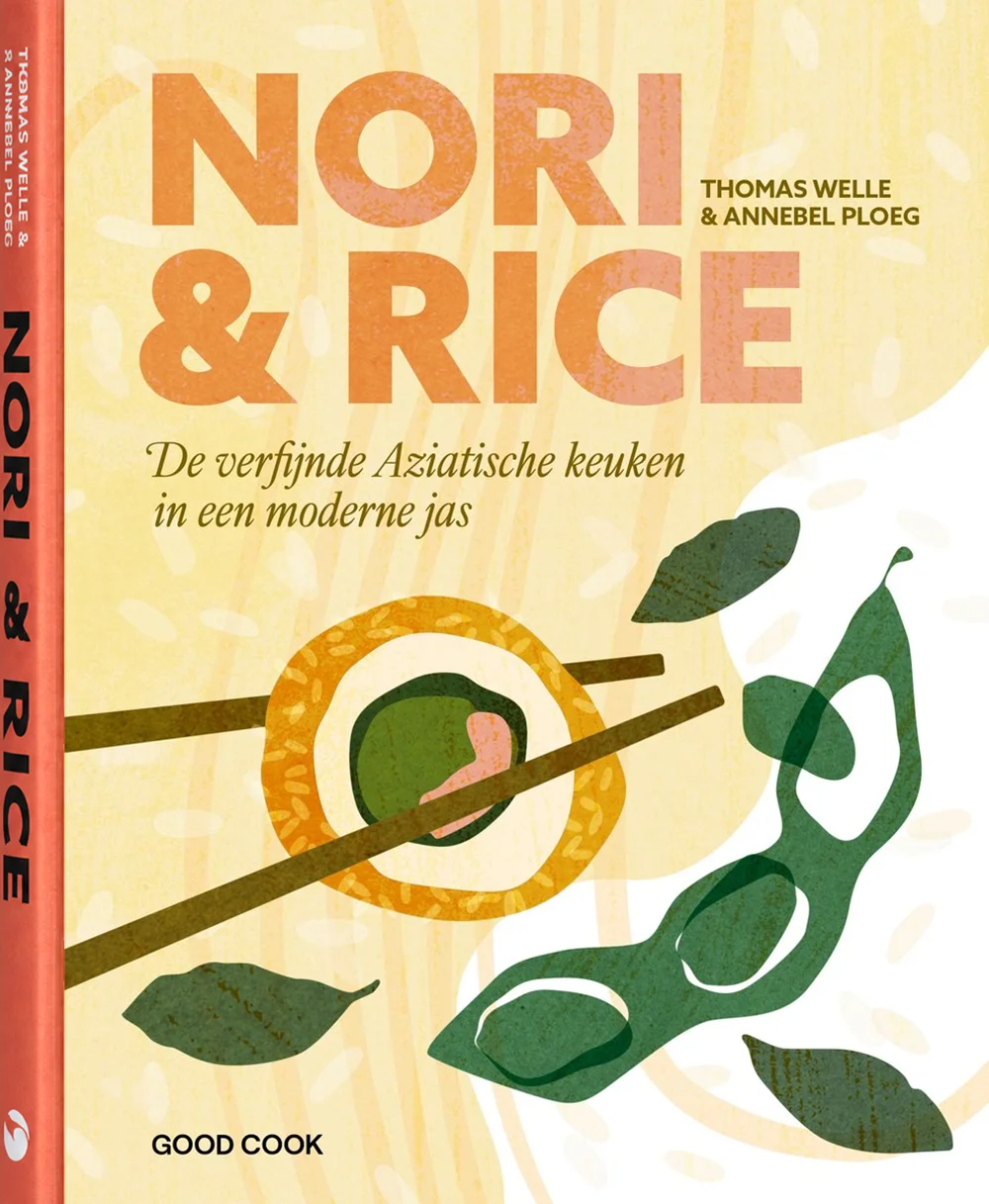
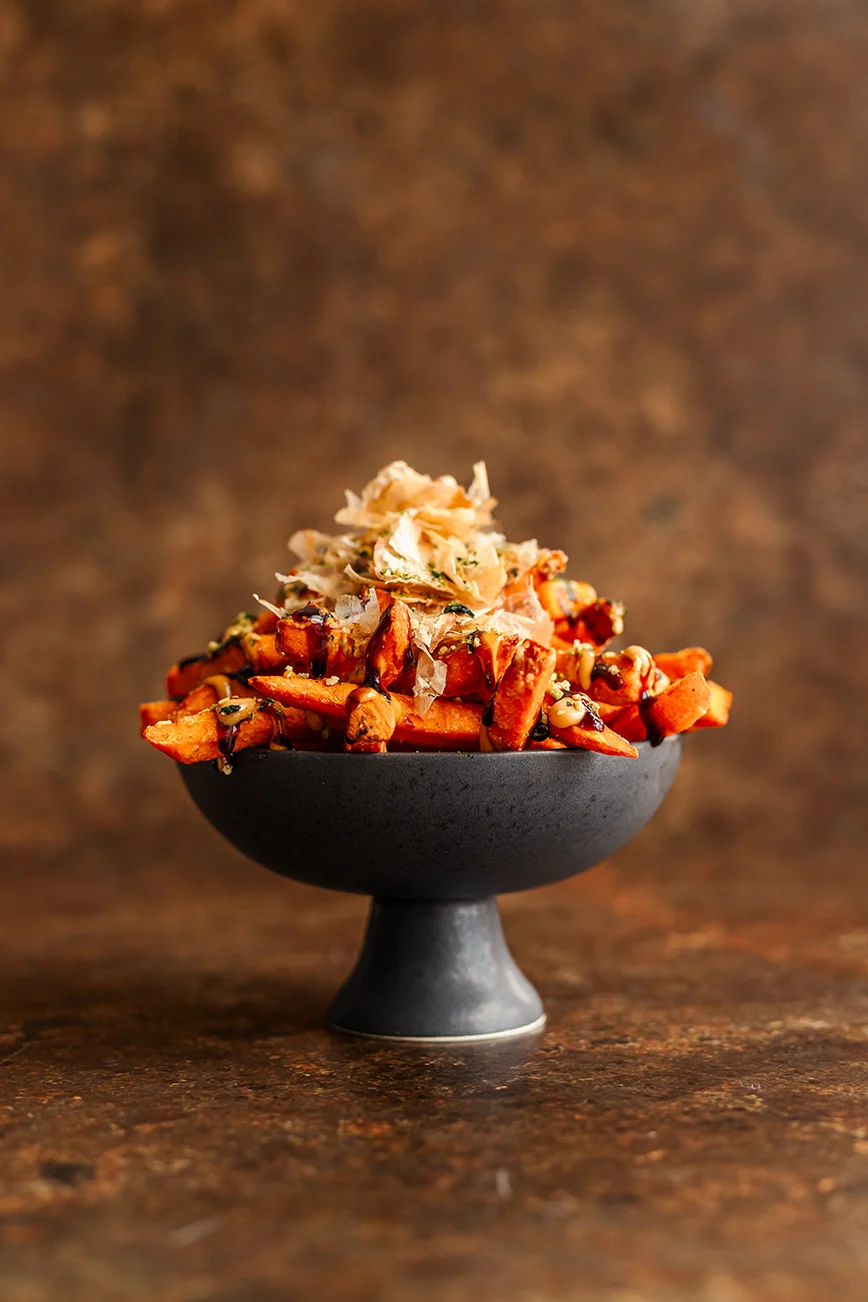
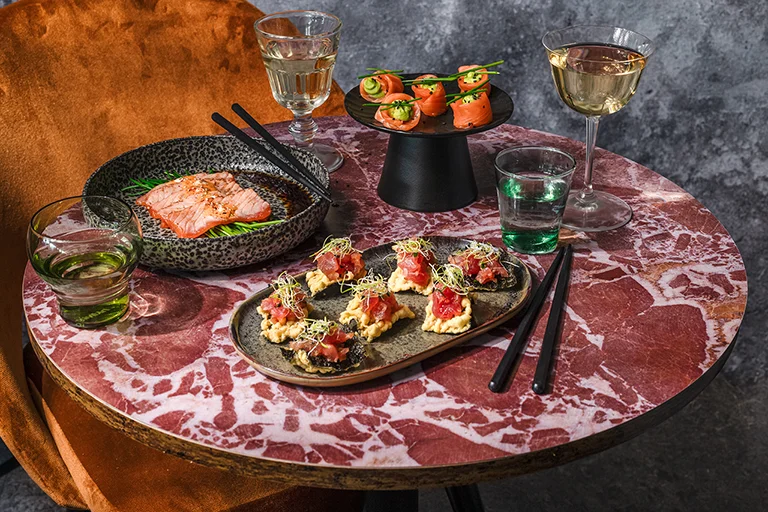
The concept behind the Nori & Rice book was to create the atmosphere of a contemporary bistro or café, showcasing its Japanese inspired dishes in a warm, inviting setting. Because many of the recipes are designed to be shared with friends or loved ones, the visual narrative centered around the feeling of gathering around a table encouraging connection, conversation, and shared dining.
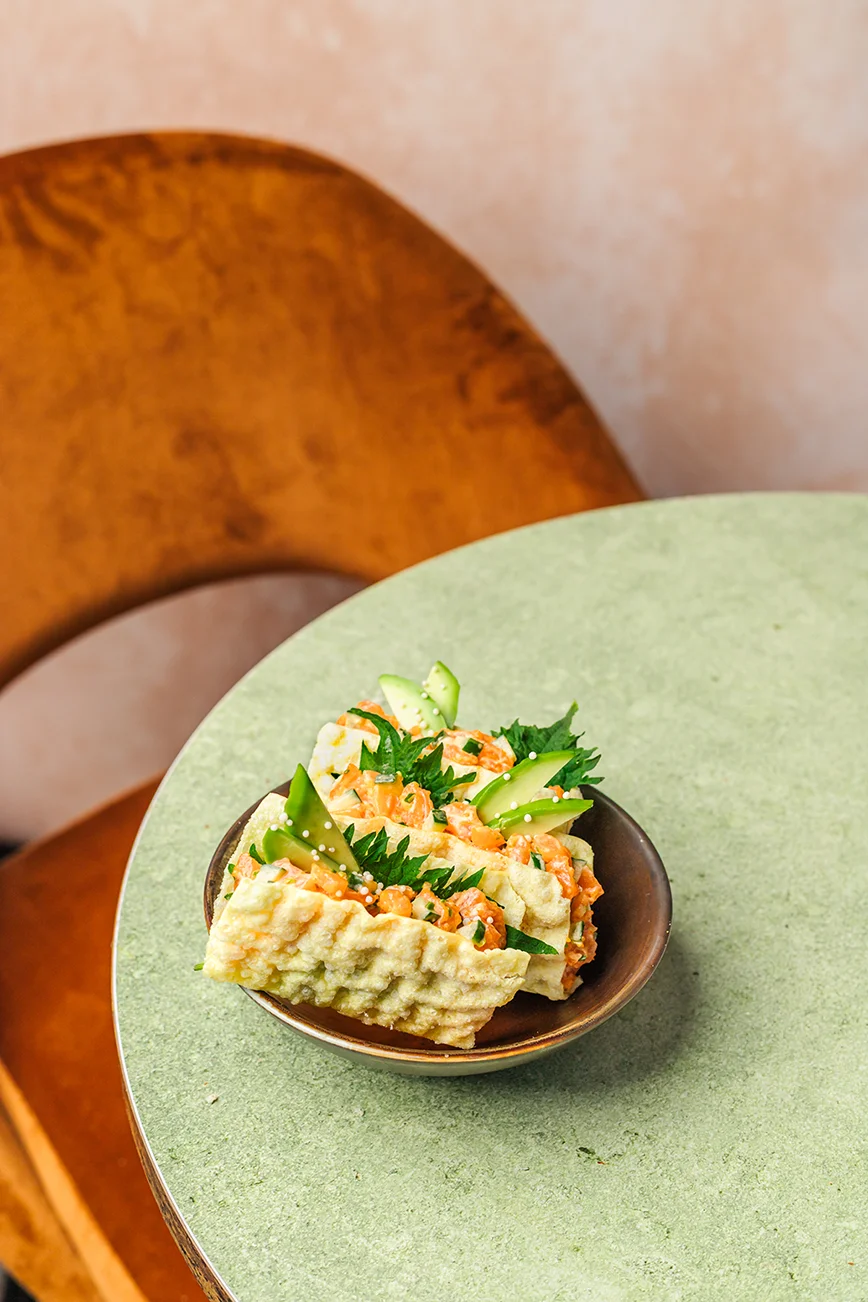
The authors envisioned a modern, vibrant aesthetic that moved away from the more traditional presentation often associated with Japanese cuisine, which frequently relies on dark props, moody backdrops, and low-key lighting. Instead, they asked for more light, freshness, and color.
What inspires your approach to food photography?
I find inspiration for food photography almost anywhere! Nature is a huge source, from the colours and textures of ingredients to the way light changes throughout the day. Art is another, visiting museums or exhibitions can spark ideas for composition and colours. I also look at the work of other creators online, as well as cookbooks and food or fashion magazines. Sometimes, even everyday life like the way sunlight falls on a kitchen counter or the patterns in fresh produce can inspire a shot.
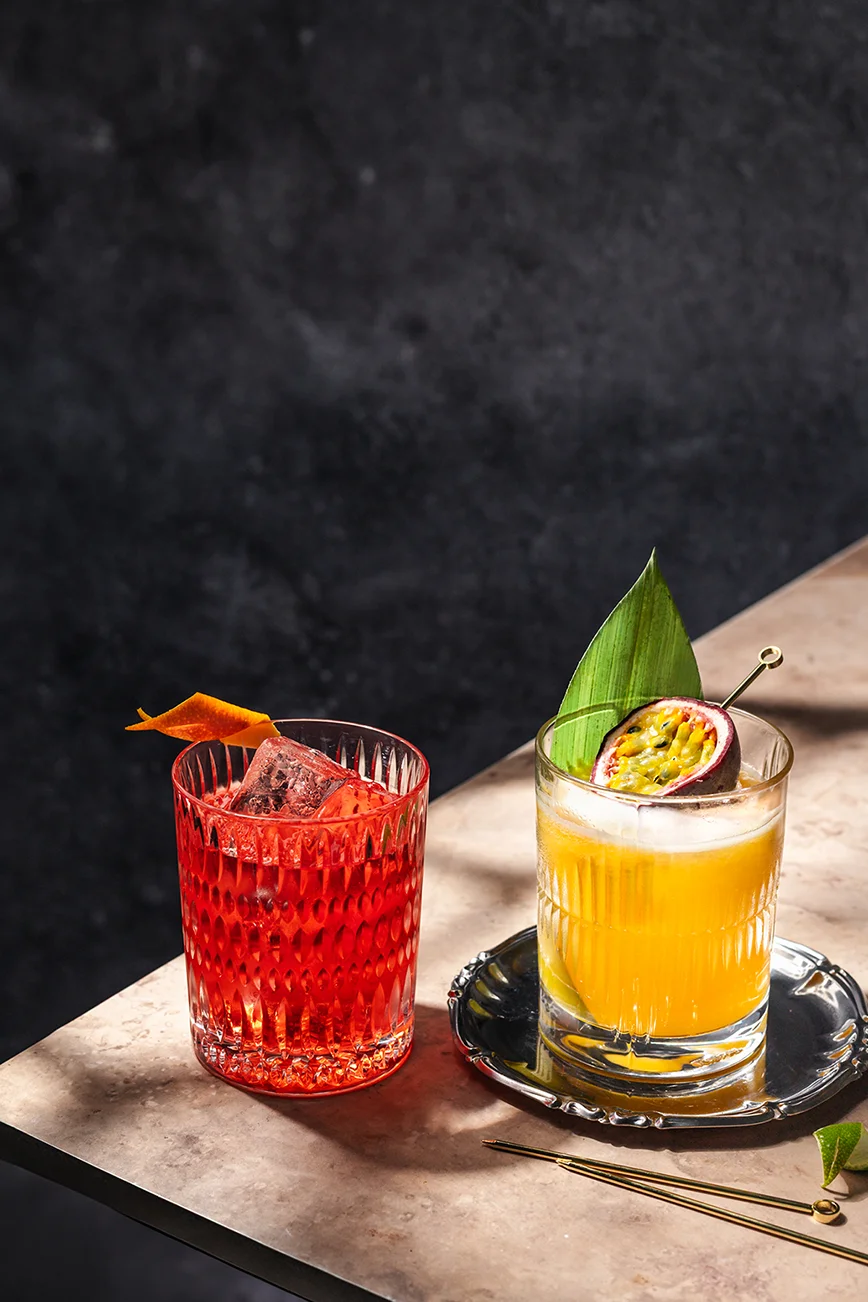
How do you ensure the photographs complement the book’s overall style?
It’s essential to listen carefully to the author and understand the vision they have for the book. If they don’t have a clear idea, I develop my own vision to guide them. I ask as many questions as possible to clarify what they mean by terms like “rustic,” “moody,” or “modern,” since these can mean very different things to different people. I also discuss the styling of the scenes, do we want minimalistic shots, lots of close-ups, or larger, busier compositions?.
Equally important is capturing the feeling the author wants the reader to experience when looking at the photos. Whether it’s warmth, nostalgia, elegance, or simplicity, I aim to convey that emotion through lighting, composition, props, and colour.
The next step is creating a moodboard that reflects the colour palette, props, and backdrops for the shoot, as well as the range of angles and perspectives that will be used. This ensures that every image not only aligns with the concept of the book but also evokes the intended emotional response in the reader.
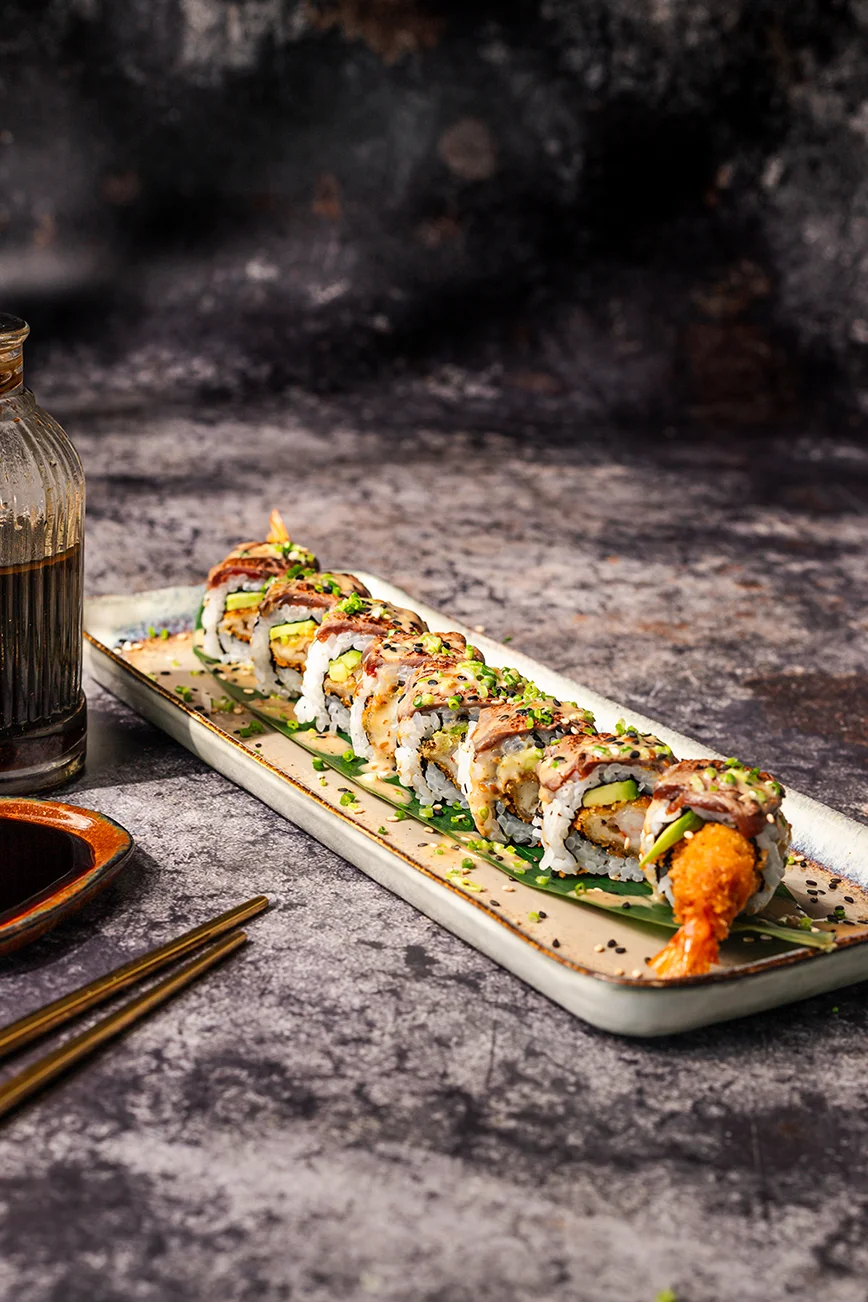

How do you plan and prepare for a cookbook photoshoot?
There is indeed a lot of preparation that goes into a project before the shoot even begins. It starts with meeting the author and publisher to understand the concept in detail: the target audience, the overall mood the author wants the photos to convey, and the specific vision for the cookbook.
Next comes the moodboard, which is prepared, revised, and approved to guide the styling, colours, and overall aesthetic. Selecting and sourcing props, whether using the ones from my own collection, renting or purchasing, is another key step. I also take time to deeply understand the dishes I will be photographing: their colours, ingredients, textures, and the best ways to present them.
If a food stylist is part of the project, they usually handle tasks like giving cooking tips to the author or chef during the shoot and planning the timing for each dish to ensure the shoot runs smoothly. For all the books I’ve photographed, I also acted as the food stylist, which required an additional investment of time and attention to detail.
Another essential part of preparation is creating a detailed shot list for each day of the shoot. This includes the dish, the props, the backdrop, and the perspective for each image. It helps ensure that the book is visually consistent, while also keeping it interesting avoiding repetition of props or backdrops and maintaining a dynamic, engaging look throughout the book.
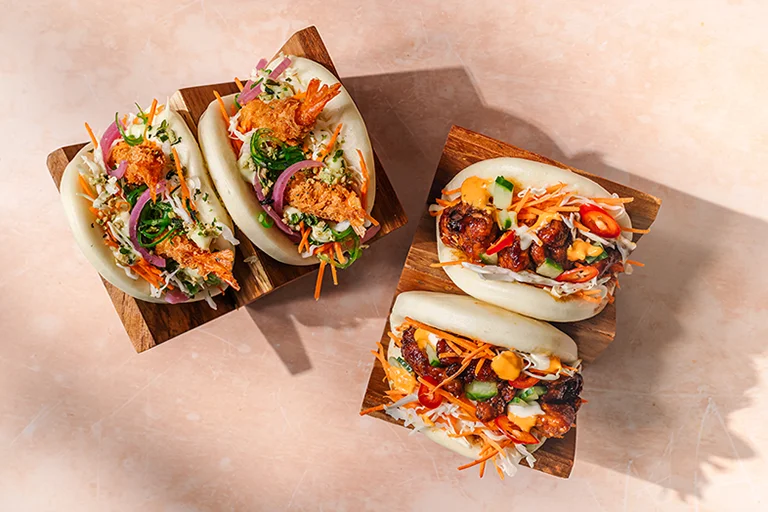
Do you work with natural light, artificial light or both?
I work with artificial light only because it offers far more possibilities to create a specific mood and control the lighting in the photos. It gives me complete freedom, independent of weather conditions or the light situation at the shoot location, allowing me to shoot virtually anywhere, making the process much more flexible and stress-free. Nori & Rice book was entirely shot with artificial light.
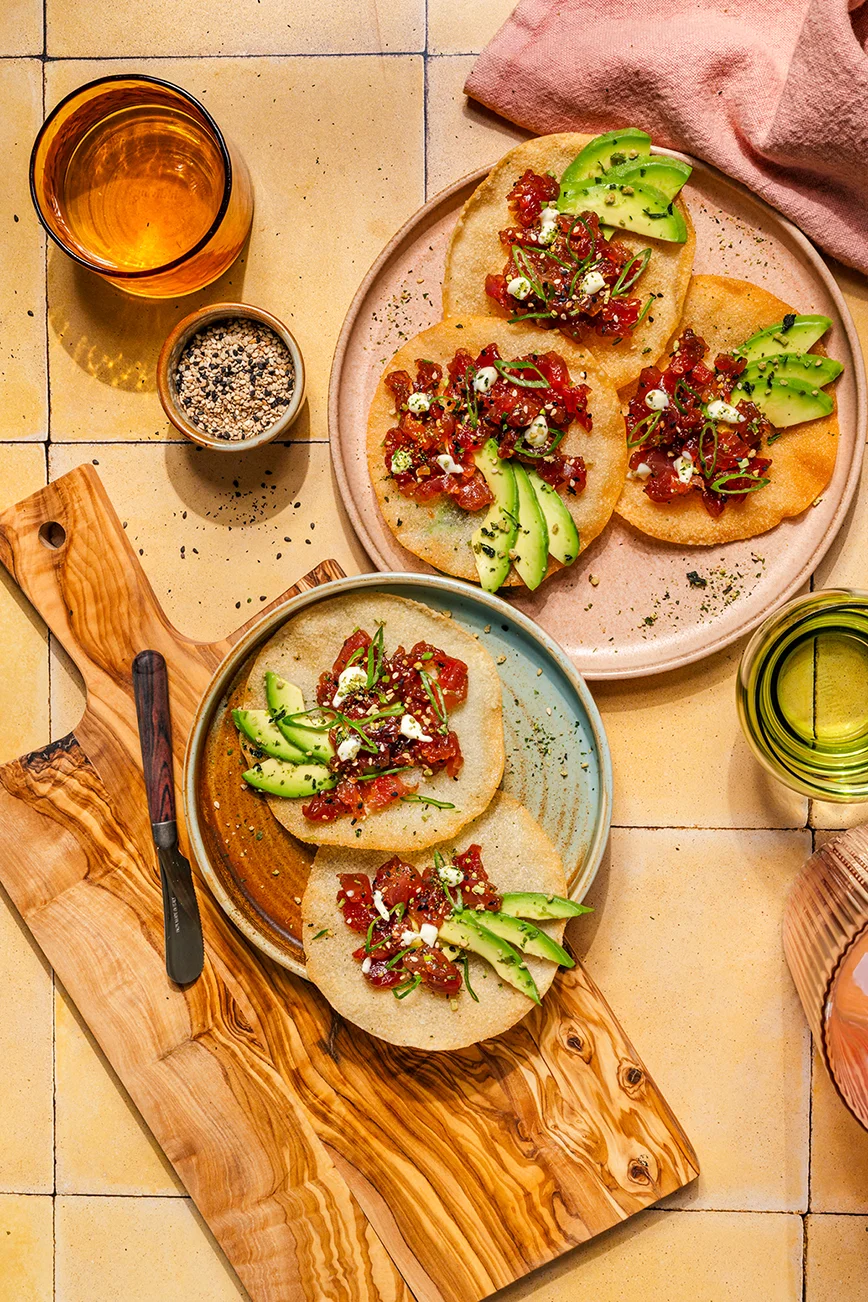
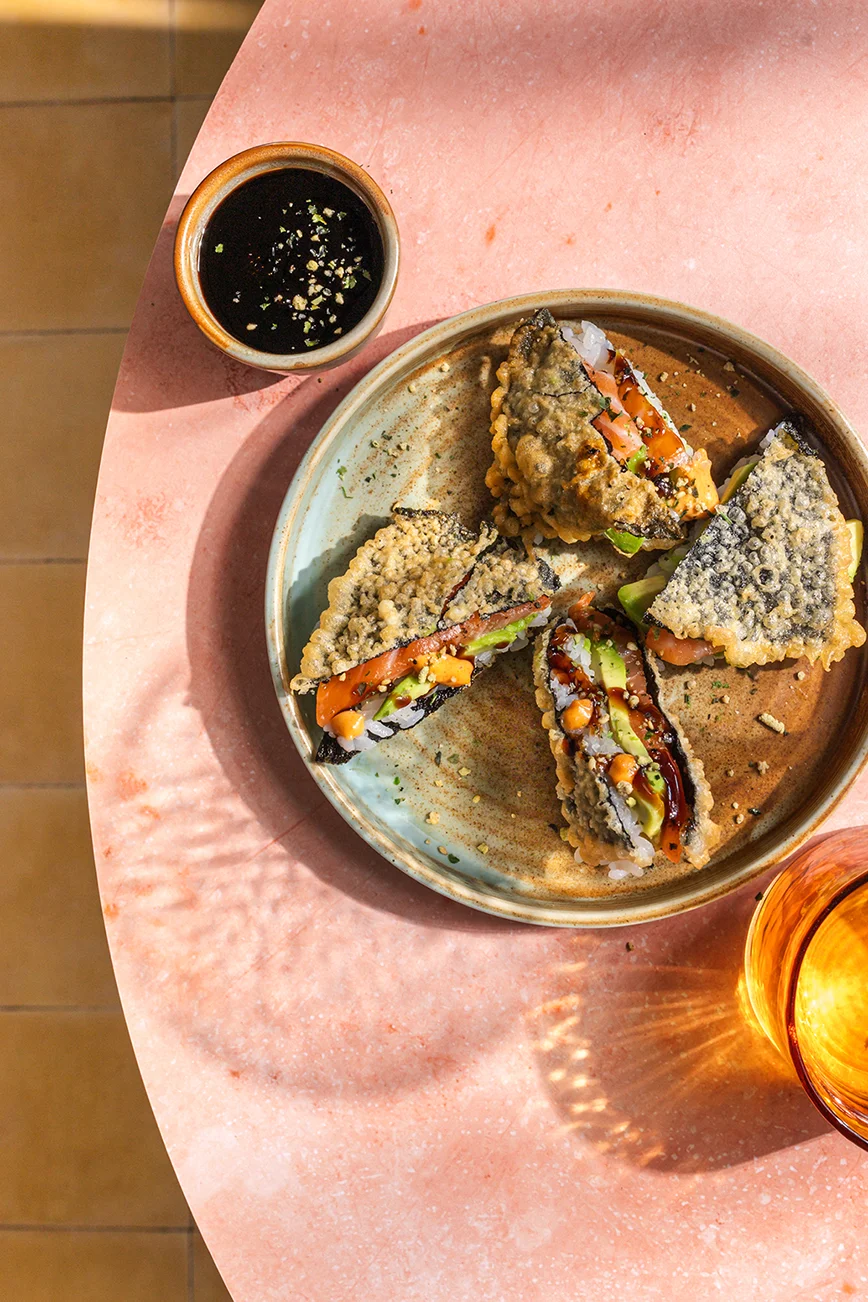
What made you choose our photography backdrops for photographing Nori & Rice?
The main reason I chose your backdrops is the incredible variety of shapes, patterns, and colours you offer. The cookbook shoot happened to coincide with the launch of your round backdrops, which were exactly what I needed to create the bistro and café atmosphere the authors had envisioned.
Your collection gave me the flexibility to create a wide range of scenes from clean, modern café settings to lively, bustling table arrangements while maintaining a cohesive visual style throughout the book.
In addition to their versatility, the quality of your vinyl backdrops is exceptional. They travel beautifully, don’t stain or crease, are durable enough for intensive use, and always look flawless the moment they’re rolled out.